MicroDahab MFI

Financing Sectors
Empowering Youth, Women and SMEs

Taking the Somali community from vulnerability to sustainability, and ultimately to growth.

Retail Business

Cultural Insight

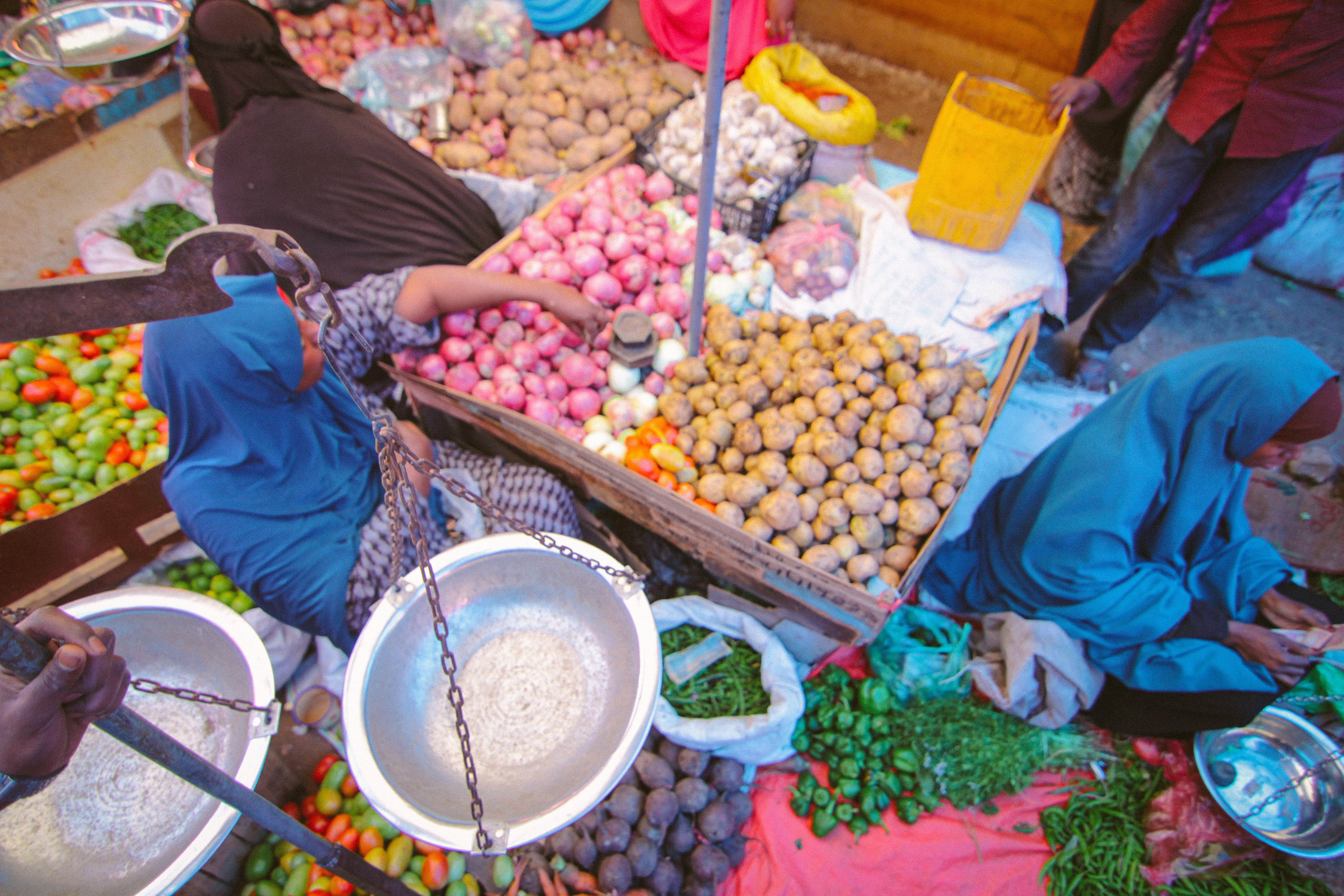
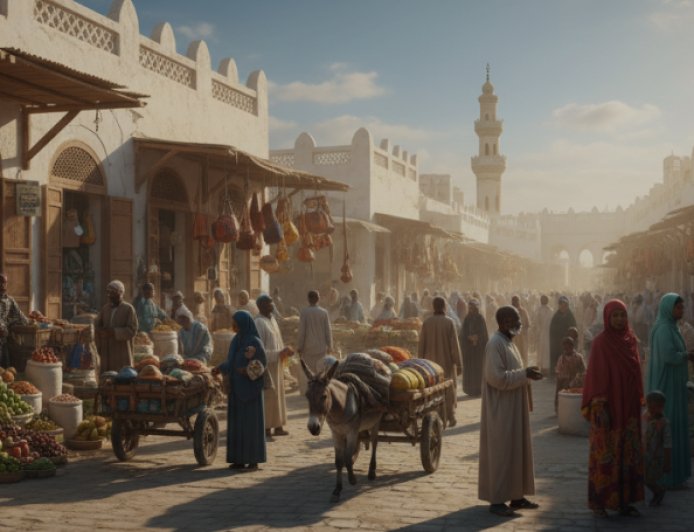
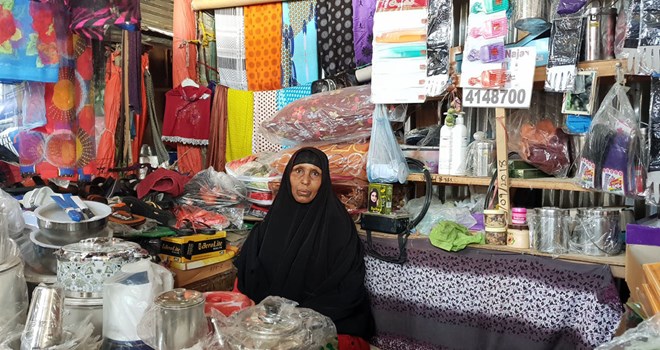
Retail trade is deeply embedded in Somali culture as a primary source of livelihood and daily social life. Markets (suuqyo) function as both economic centers and social hubs, where relationships are built and reputations carry real value. Trust is the critical currency of trade: many transactions still rely on personal reputation and informal credit. Traders respond quickly to shifts in supply, diaspora demand, and seasonal cycles, a resourcefulness that keeps the sector resilient.

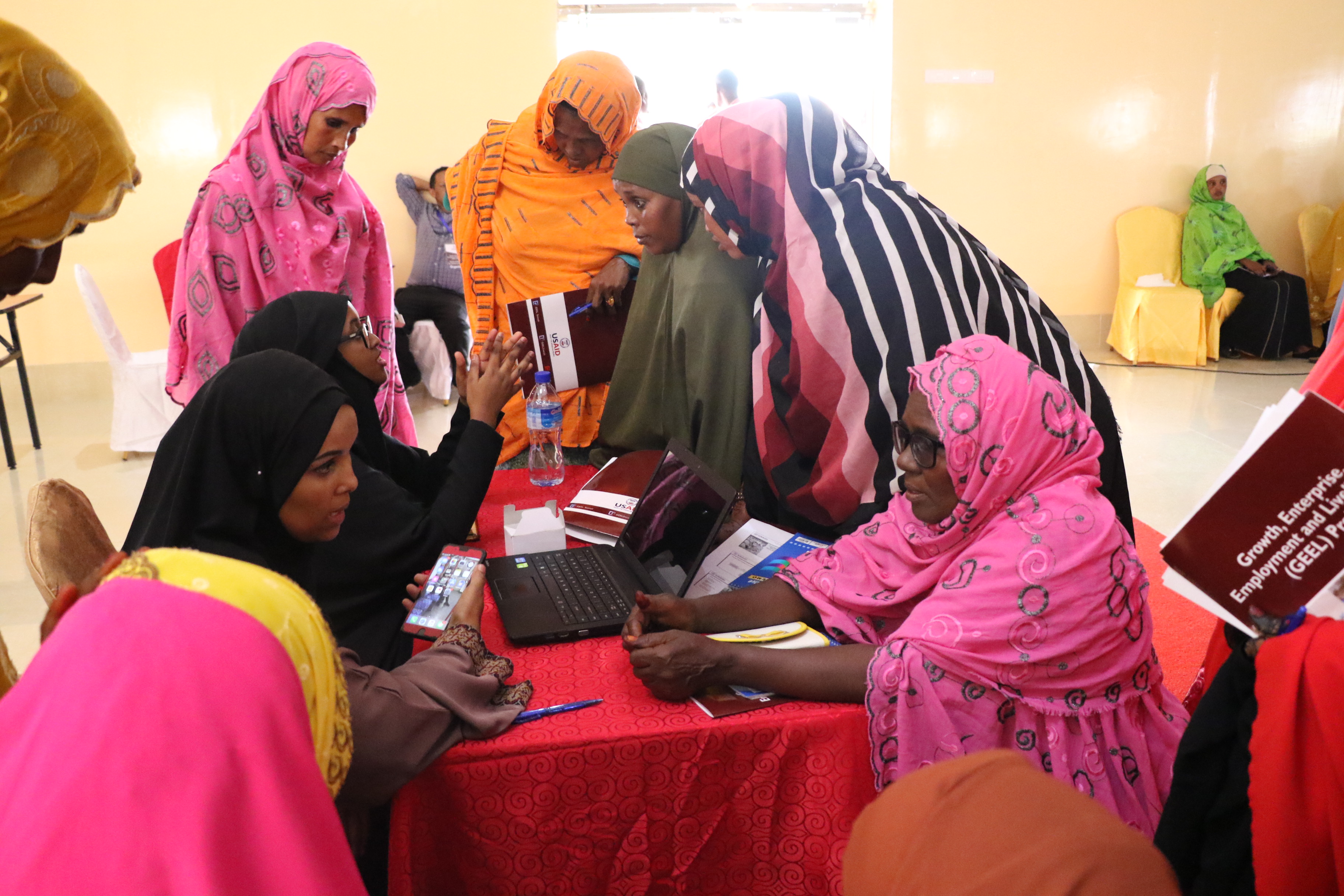
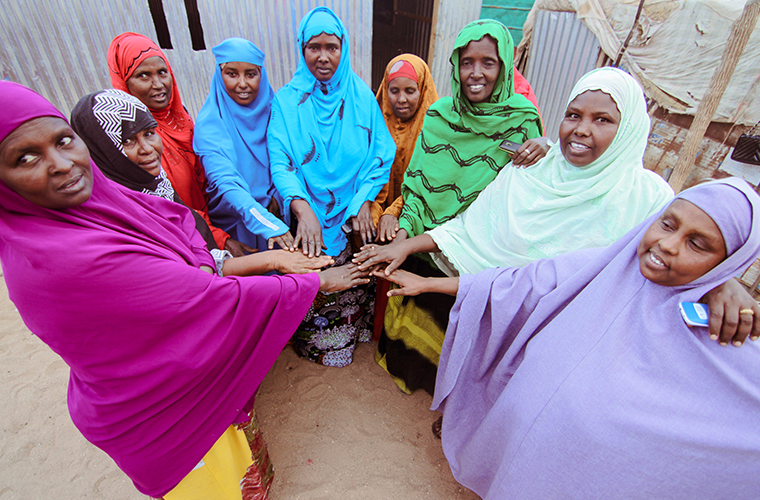
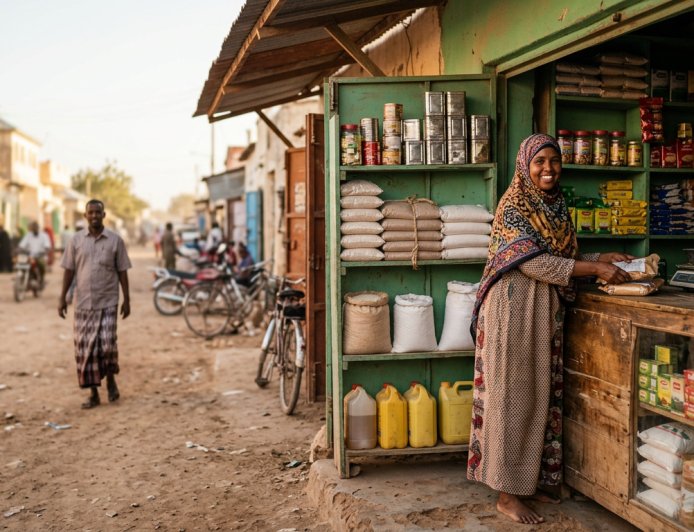
Women are the backbone of Somali retail. Many are the primary breadwinners for their households, running the small shops and market stalls that anchor entire neighborhoods, and their leadership in this space is one of the clearest expressions of Somali women's economic independence.

Our Approach

MicroDahab prioritizes women-led and youth-led micro-retailers, providing working capital and stock financing that turns trust-based trading relationships into structured, growing businesses. By financing traders where they already work - in the market, not behind a bank counter - we help convert informal hustle into durable household income and expand women's and young entrepreneurs' economic independence.

Retail Business

Livestock Sector

Cultural Insight

Livestock remains the backbone of Somali society, carrying economic value, cultural identity, social status, and heritage all at once. Camels, goats, and sheep are woven into daily life and tradition, from ceremonies to wealth preservation. The sector continues to thrive by blending indigenous knowledge with evolving market demand, including strong export links to Gulf countries.

Our Approach

Our investment in livestock strengthens value chains while preserving traditional practice. Through Sharia-compliant financing, we support pastoralists and traders - including young herders inheriting family stock and women managing household livestock assets - in acquiring healthy animals, improving feed and veterinary care, and accessing better markets. This reduces risk and helps communities transition from subsistence herding into structured, profitable livestock enterprises that the next generation can build on.

Livestock Sector

Fishery Sector

Cultural Insight

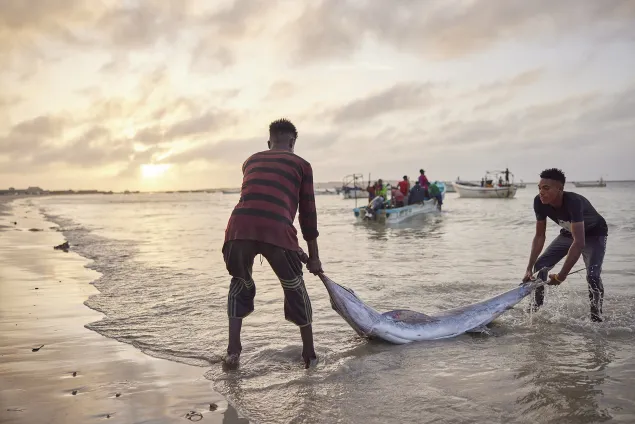
The fishery sector is an emerging opportunity with significant untapped potential, particularly along Somalia's coastal regions. Historically underutilized, the sector is gaining ground as cultural perceptions shift and awareness of nutrition grows. Combined with Somalia's long coastline, this positions fisheries as a key driver of economic diversification and food security.

Our Approach

MicroDahab finances the essential tools of the trade - boats, nets, cold storage, and processing equipment - through Sharia-compliant models built for small-scale fishers and traders. We are especially focused on opening this growth sector to young coastal entrepreneurs and women in fish processing and trade, increasing efficiency, reducing post-harvest losses, and helping fishing communities expand into new markets as a sustainable, scalable business.

Fishery Sector

Service Sector

Cultural Insight

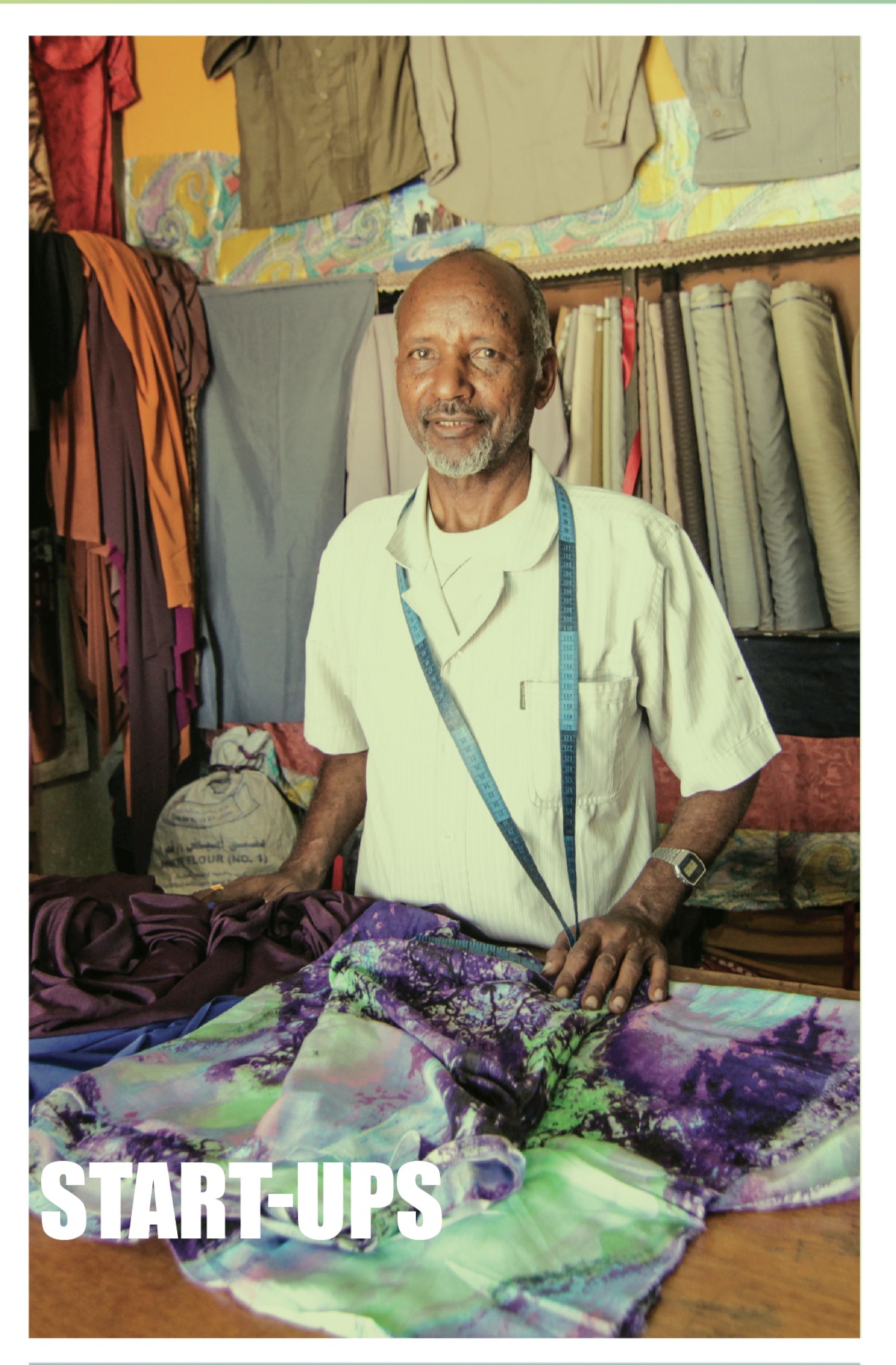
The service sector reflects the entrepreneurial spirit and adaptability of Somali communities, spanning transport, salons, mobile money, and more. It thrives on trust, reputation, and strong community networks, with word-of-mouth driving growth, and mobile money technology has accelerated its expansion.

Our Approach

MicroDahab enables small service businesses - many of them started by young entrepreneurs and women building client-facing enterprises - to formalize and scale. Tailored financing helps owners acquire equipment, upgrade service quality, and expand their reach. By pairing capital with a deep understanding of community dynamics, we help service providers build sustainable, trusted brands that create jobs for the next generation.

Service Sector

Agriculture Sector

Cultural Insight

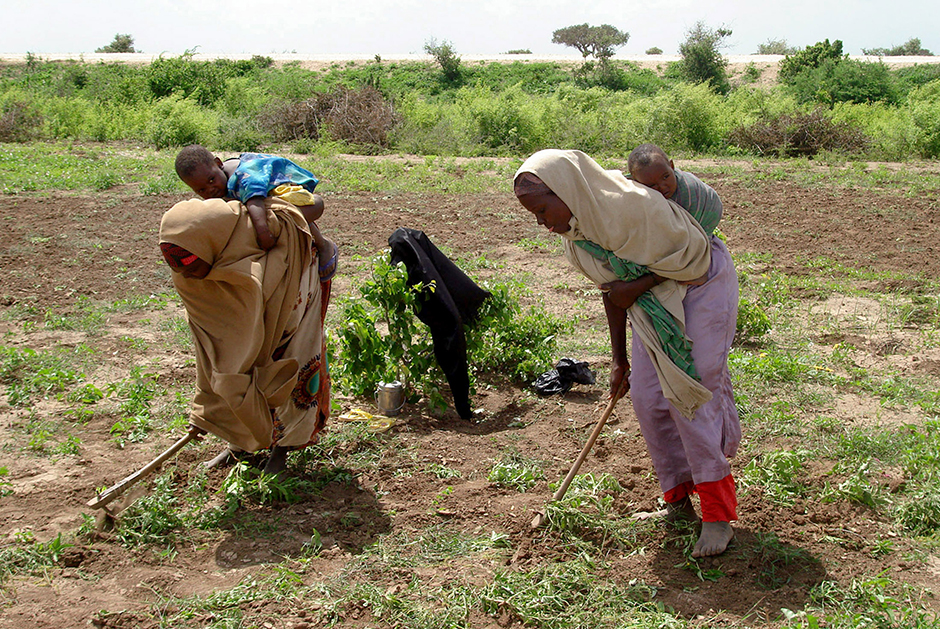
Agriculture plays a vital, complementary role to pastoralism, particularly in fertile regions where farming supports both livelihoods and local markets. Rooted in family-based systems and seasonal cycles, the sector reflects resilience and community cooperation, especially through shared labor during planting and harvest.

Our Approach

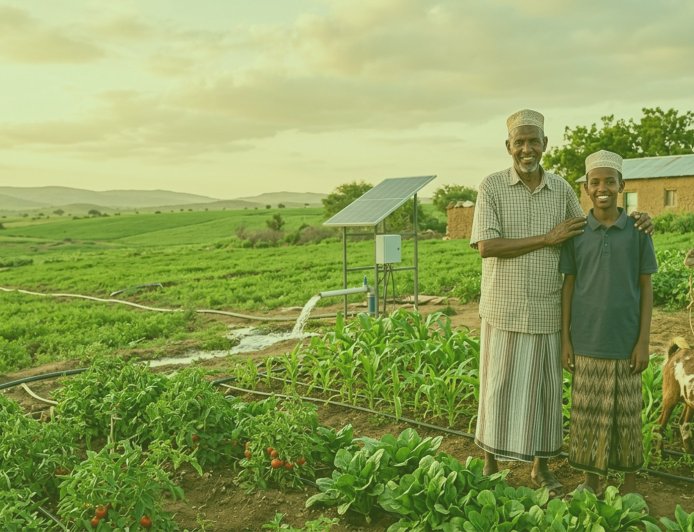
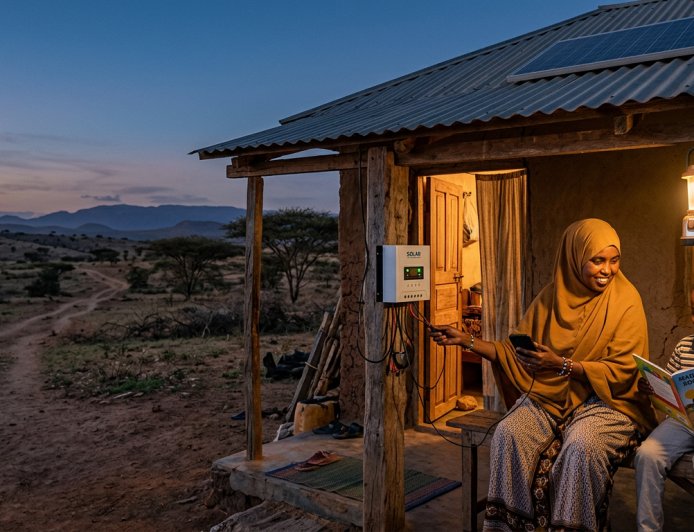
MicroDahab modernizes agriculture while respecting tradition, financing irrigation systems, farm equipment, greenhouses, and renewable energy solutions. We give particular emphasis to youth-run farms and women-led cooperatives, helping farmers increase productivity, adapt to climate challenges, and transition from subsistence farming to commercially viable operations that anchor rural SME growth.

Agriculture Sector

Consumer Financing

Cultural Insight

Consumer financing in Somali society is closely aligned with Islami principles, where fairness, transparency, and trust are essential. Traditional informal lending still exists, but formal Sharia-compliant solutions are increasingly bridging the gap between demand and access.

Our Approach

MicroDahab prioritizes ethical, Sharia-compliant financing such as Murabaha, allowing individuals - including young professionals and women heads of household - to meet personal and business needs without compromising their values. By expanding access to structured financial services, we empower individuals to invest in their futures while maintaining cultural and religious integrity.

Consumer Financing

Education Sector

Cultural Insight

Education is highly valued in Somali culture, combining traditional Islamic learning with modern academic systems. Families often prioritize education as a pathway to opportunity, social mobility, and long-term stability.

Our Approach

MicroDahab makes learning more accessible through Sharia-compliant school fee financing, ensuring that cost is never the barrier between a young Somali and their education. Supporting families - and especially the girls and young women whose schooling is most often at risk when budgets tighten - protects the pipeline of future entrepreneurs, professionals, and community leaders the region depends on.

Education Sector

Health Sector

Cultural Insight

Healthcare in Somalia blends modern medical services with traditional healing practices, and strong family involvement shapes care decisions. Trust in providers is central to how households choose where to seek treatment.

Our Approach

MicroDahab supports access to essential healthcare by financing medical needs in a culturally sensitive, Sharia-compliant way. This helps families - including women managing household health decisions and young people establishing independent lives -manage health-related costs while encouraging use of reliable, improved healthcare services.

Health Sector
Our Commitment

MicroDahab fuels Somalia's growth by empowering youth, women, and SMEs with Sharia-compliant finance and cultural insight, turning communities from vulnerable to sustainable and thriving.

Our Trusted Partners
No Stress, No Surprises

Frequently Asked Questions

01 What documents do I need to apply for Murabaha financing?

Keep these ready: Valid ID, Business Proof, Address Proof, and Bank Statement. Having digital copies ready can support faster online processing.

02 How long does the approval process take?

Our current public guidance highlights an average disbursement time of 24-48 hours following verification and approval.

03 How can I apply for Murabaha financing?

You can apply online, visit a branch, or call our financing advisors directly. Choose the method that is most convenient for you.

04 Who is eligible to apply?

Applicants should be 18 years or above, have a valid business or income source, be a Somali resident or citizen, and have no active defaults.

05 Do I need collateral for Murabaha financing?

Financing structure and approval conditions can vary by asset type, business history, and final assessment. Please speak with our team for guidance on your case.

06 What is the profit markup structure?

MicroDahab MFI uses a transparent Murabaha cost-plus structure with disclosed profit margins. Final terms depend on asset type, business history, and approval conditions.

This site uses cookies. By continuing to browse the site you are agreeing to our use of cookies.